
Workplace Wellbeing & Behaviour Change
The 20% of Workplace Wellbeing Habits That Drive 80% of Results
In many workplaces, employee wellbeing can start to feel complicated.
There are apps, webinars, awareness campaigns, wellbeing calendars, digital platforms and new initiatives all competing for employees’ attention.
Yet one of the most useful ways to think about workplace wellbeing may be surprisingly simple:
The 80/20 rule.
Also known as the Pareto Principle, the 80/20 rule suggests that roughly 80% of outcomes often come from 20% of inputs. In other words, a relatively small number of actions can create a large proportion of the results.
The principle is often applied to productivity, business strategy and time management. But it is equally useful when designing workplace wellbeing programs. Because not every wellbeing activity creates the same level of impact.
Yet one of the most useful ways to think about workplace wellbeing may be surprisingly simple:
The 80/20 rule.
Also known as the Pareto Principle, the 80/20 rule suggests that roughly 80% of outcomes often come from 20% of inputs. In other words, a relatively small number of actions can create a large proportion of the results.
The principle is often applied to productivity, business strategy and time management. But it is equally useful when designing workplace wellbeing programs. Because not every wellbeing activity creates the same level of impact.
.png)
The Problem With Trying to Do Everything
Most organisations genuinely want to support employee health and wellbeing.
However, in trying to address every possible wellbeing need, strategies can become:

Overly complicated
Fragmented
Difficult to sustain
Hard for employees to understand
Easy to ignore when workloads increase
A person might receive invitations to a mindfulness webinar, a resilience workshop, a nutrition seminar and a fitness challenge - all in the same week.
They may also be sent wellbeing newsletters, mental health resources, meditation apps and links to digital support tools.
Individually, each initiative may be useful.
But collectively, they can create noise.
This is especially true for employees who are already managing busy workloads, meetings, deadlines and responsibilities outside work.
Participation may decline not becuase people do not value wellbeing, but because too many wellbeing activities create friction rather than momentum.
But collectively, they can create noise.
This is especially true for employees who are already managing busy workloads, meetings, deadlines and responsibilities outside work.
Participation may decline not becuase people do not value wellbeing, but because too many wellbeing activities create friction rather than momentum.
.png)
Identifying the “Vital Few” Workplace Wellbeing Habits
The 80/20 rule encourages organisations to identify the small number of actions that create the greatest overall impact.
In workplace wellbeing, two areas consistently stand out:
Regular physical activity
Small daily mental wellbeing habits
These behaviours can influence many other aspects of health, performance and workplace culture.
For example, consistent movement and daily wellbeing activities may support:
Higher energy levels
Better stress management
Improved mood
Stronger focus and concentration
Better sleep
Greater resilience
Increased social connection
Improved motivation
Stronger workplace participation
A small number of sustainable behaviours can therefore create positive flow-on effects across multiple areas of work and life.
.png)
Why Physical Activity Is a High-Impact Wellbeing Habit
Exercise is one of the clearest examples of a high-leverage workplace wellbeing habit.
This does not mean every person needs to become highly athletic or complete intense workouts.
Even small amounts of regular movement can support mood, energy, sleep, focus, confidence and stress management.
This is why the 15 Minute Exercise Challenge focuses on making movement achievable rather than demanding.
Fifteen minutes of intentional daily exercise gives busy employees a realistic place to start.
An employee who feels overwhelmed by the idea of a long gym session may still feel capable of:
Taking a short walk at lunchtime
Stretching between meetings
Cycling after work
Completing a brief home workout
Walking before or after the working day
The activity itself can remain flexible. The important behaviour is consistently making time to move.
Many participants begin with the goal of completing only 15 minutes.
Because wellbeing that fits into real life is far more likely to become sustainable.
Over time, they may find that:
Their energy improves
Confidence increases
Exercise feels easier to begin
Movement becomes part of their routine
Healthy behaviour begins to feel more natural
As one participant shared:
“The 15-minute challenge helped me start a healthy habit without pressure.”
Another participant mentioned:
“I used to believe I didn’t have time for exercise, but I’ve realised that even 15 minutes is better than none.”
This is the power of focusing on a high-impact habit rather than asking people to make an overwhelming lifestyle transformation.
.png)
Mental Wellbeing Habits Work in a Similar Way
Mental wellbeing also benefits from small, consistent actions.
Small,consistent actions often create disproportionately positive effects over time.
Examples might include:
Stepping outside for fresh air
Taking a short break from screens
Practising a brief mindfulness exercise
Connecting with a colleague
Pausing to recover between demanding tasks
Spending a few minutes in nature
These actions may appear small when viewed individually.
But repeated consistently, they can support:
Emotional balance
Stress management
Mental recovery
Focus
Mental recovery
This is the thinking behind the 5 Minute Wellbeing Challenge: small daily wellbeing activities designed to fit into busy schedules.
It is to help them participate in simple activities they can realistically engage in.
Because sustainable wellbeing begins with achievable consistency - not intensity.
It is to help them participate in simple activities they can realistically engage in.
Because sustainable wellbeing begins with achievable consistency - not intensity.
.png)
Why Simpler Workplace Wellbeing Programs Improve Participation
One of the main benefits of an 80/20 approach is that it reduces friction.
Instead of giving employees a long list of expectations, organisations can direct attention towards a small number of valuable and achievable behaviours.
This matters because participation remains one of the biggest challenges in workplace wellbeing.
Employees are more likely to engage when a program feels:
Simple
Flexible
Inclusive
Low-pressure
Relevant to everyday life
Realistic within their available time
This simplicity is central to the Wellbeing Challenge methodology.
Programs are designed around:
Micro-habits
Achievable time commitments
Team accountability
Flexible participation
Sustainable consistency
The focus is participation over perfection.
Workplace wellbeing does not need to be complicated to be effective.
.png)
Sustainable Wellbeing Often Means Doing Fewer Things Better
The 80/20 rule reminds us that effectiveness is not always about doing more.
Sometimes, better results come from identifying the most valuable behaviours and helping employees practise them consistently.
Physical activity and daily mental wellbeing habits are powerful because they can influence many outcomes at once.
They do not solve every workplace wellbeing challenge.
But they can support energy, stress management, confidence, resilience, connection and healthier daily routines.
This closely connects with the micro-habit principles explored in What Workplace Wellbeing Can Learn From Atomic Habits
It also relates to the absorption-rate concept discussed in What Watering A Plant Can Teach Us About Workplace Wellbeing
People can only absorb so much information and behaviour change at once.
When wellbeing programs ask employees to change too much, too quickly, even useful support can become difficult to sustain.
Long-term wellbeing is more likely to develop through:
Achievable participation
Small daily actions
Sustainable repetition
Gradual momentum
Supportive workplace environments
.png)
The Most Effective Wellbeing Strategies May Be Simpler Than We Think
After supporting more than 150 organisations and over 50,000 participants globally, one pattern continues to emerge:
Employees are more likely to maintain wellbeing habits when those habits feel realistic and achievable.
Not overwhelming, not dependent on perfect motivation.
Just simple enough to begin and valuable enough to repeat.
For HR teams and workplace wellbeing leaders, the 80/20 principle offers a useful question:
Which small number of wellbeing habits could create the greatest positive impact for our employees?
The answer may not involve introducing more programs.
It may involve helping employees consistently engage with a few high-value behaviours that fit naturally into real working life.
Because a small number of sustainable workplace wellbeing habits can create far greater long-term impact than dozens of initiatives employees cannot maintain.
Explore how the 15 Minute Exercise Challenge and 5 Minute Wellbeing Challenge can help people in your workplace build simple, sustainable wellbeing habits.
Featured Blog Articles
Helping organisations turn wellbeing into lasting habits

Why Workplace Wellbeing Fails When Knowledge Doesn’t Turn Into Sustained Action
Most employees already know what improves wellbeing - the real challenge is turning that knowledge into lasting behavioural change.
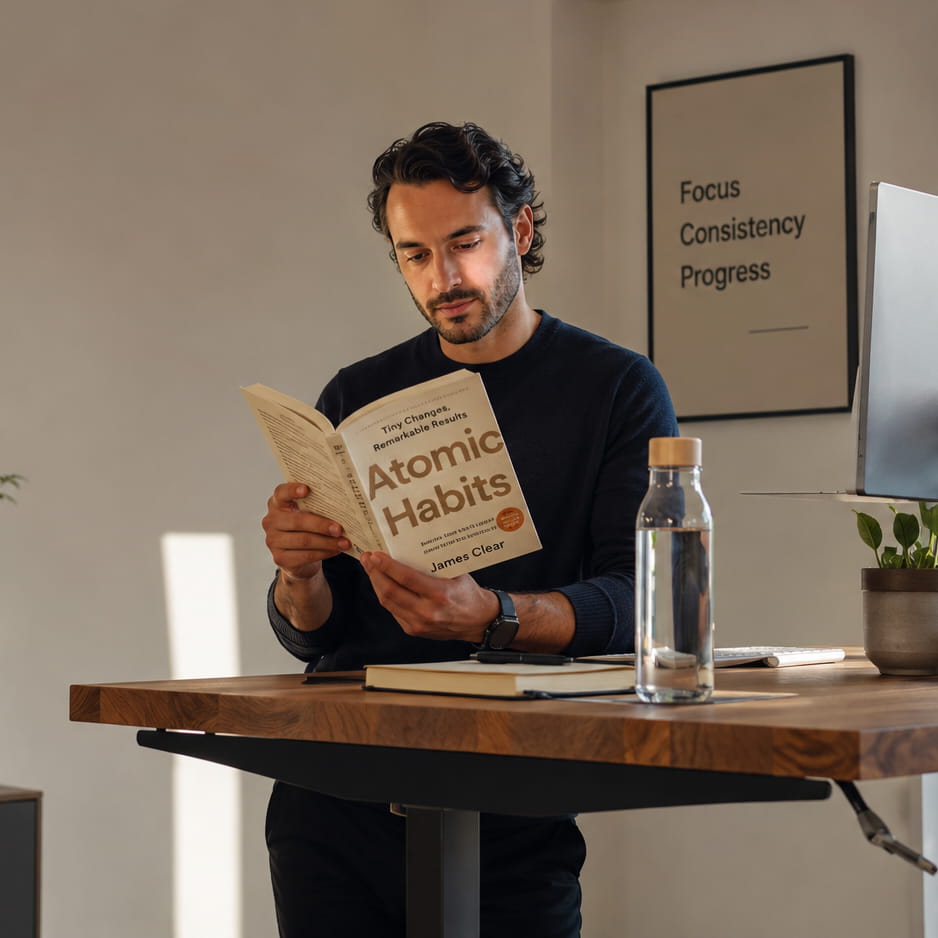
What Workplace Wellbeing Can Learn From Atomic Habits
Most workplace wellbeing programs focus on motivation, but lasting behaviour change is best built through small daily habits repeated consistently over time.
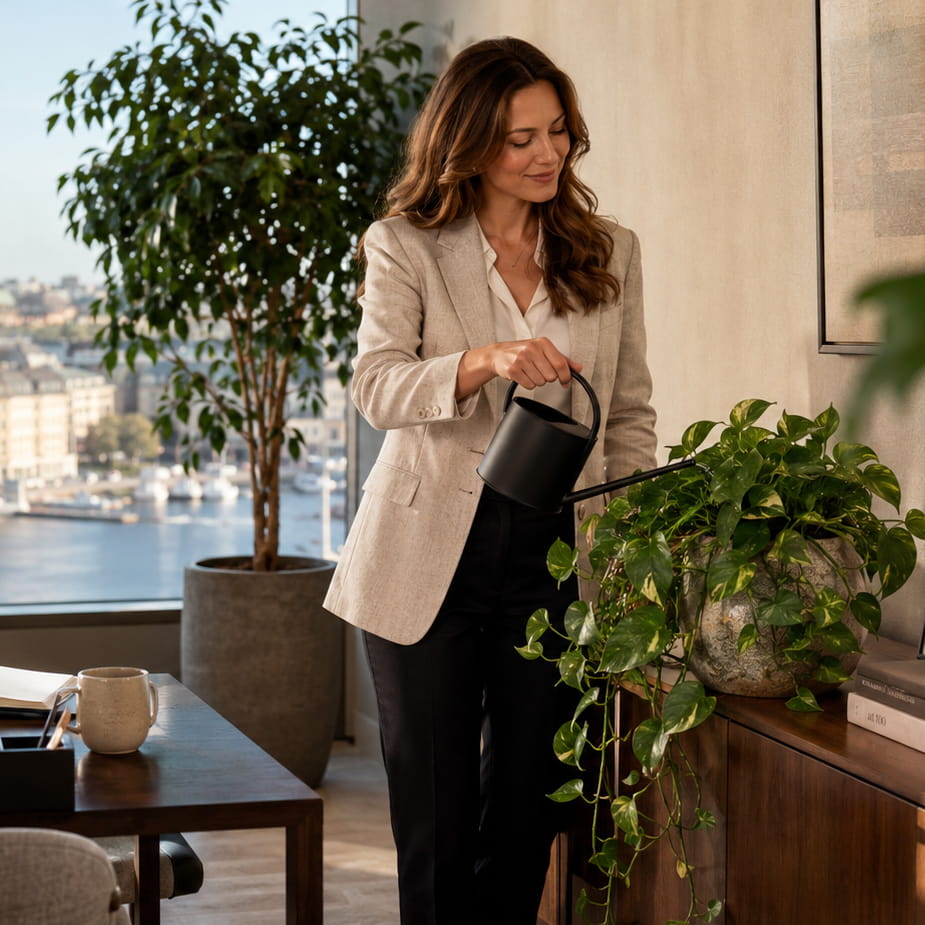
What Watering A Plant Can Teach Us About Workplace Wellbeing
Sustainable workplace wellbeing often works like watering a plant - small, consistent actions absorbed gradually over time create far more lasting change than overwhelming people with too much at once.